2026-W14
#2026-W14
Second Brain Builder
It's been about a month since I started using Claude Code + Obsidian Vault, and I can't recommend it enough. Context and meaningful information are probably the most important thing for making a language model useful. Maintaining persistent context through writing memory, using readable .md files, and building a universal network of information works very effectively for most of my work. I thought I'd try to summarize the whole project into specific instructions that could build you a similar, but personalized, architecture. Give it a try! If you don't want to use Claude Code, you'll probably find cheap or free (like Gemini CLI) alternatives, at least for testing. Keep in mind that these are just instructions and the execution is primarily up to you. Feel free to reach out for advice or help!
kindl.work/Second+Brain+Builder
By the way, it is possible to run local models too, so the vault can stay fully private and secure. It's bit more tricky with thinking models, but it runs. e.g. Gemma 4 was just released and it looks quite promising.
Glypher
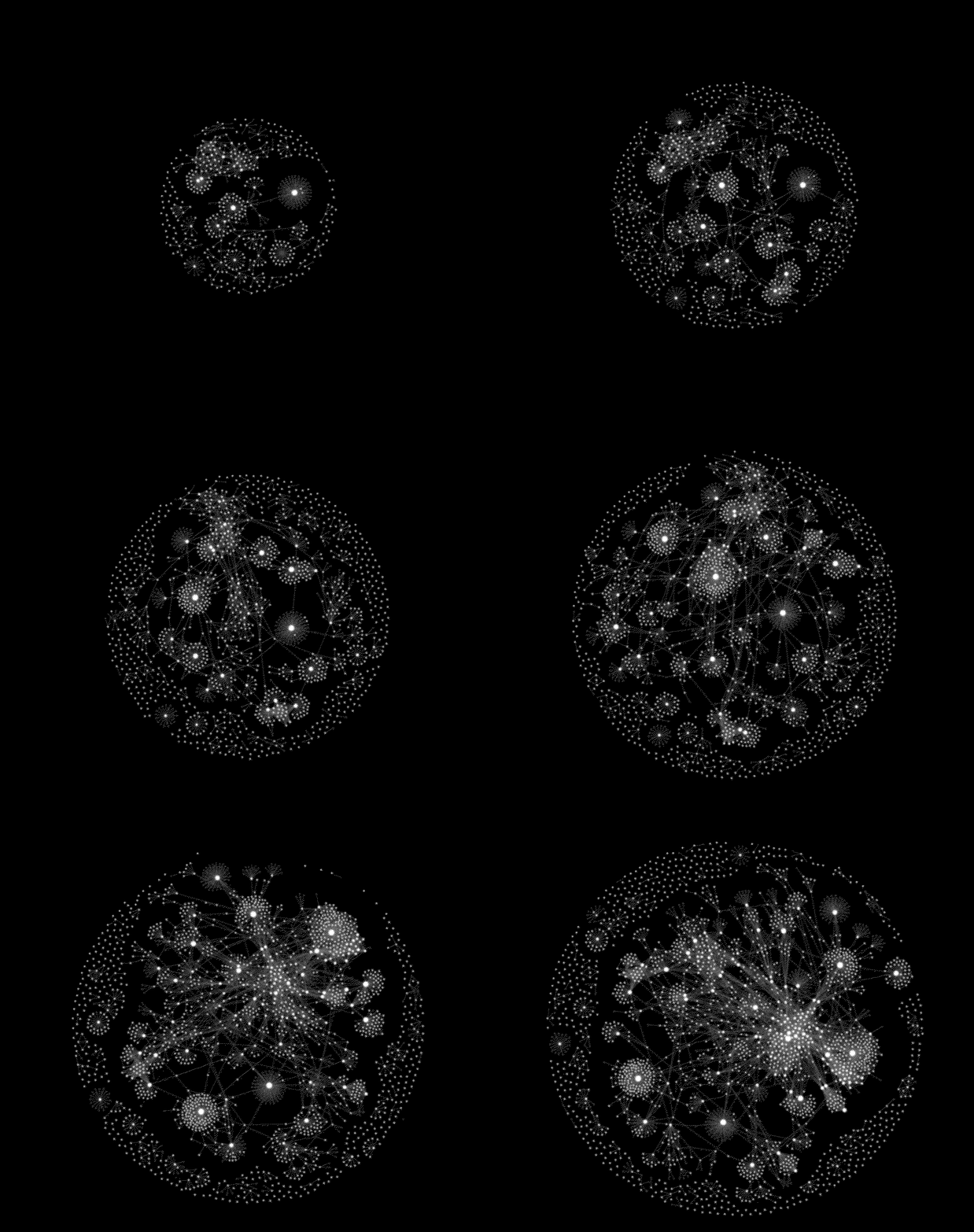
For a while, I was working on dithering in graphics and a sort of "ASCII" conversion of images into text. I wanted to use this generator in a project, but since it wasn't approved, I decided to share it with you! It's currently on the git, available for experimentation with both images and video! https://keiaiendiel.github.io/glypher/

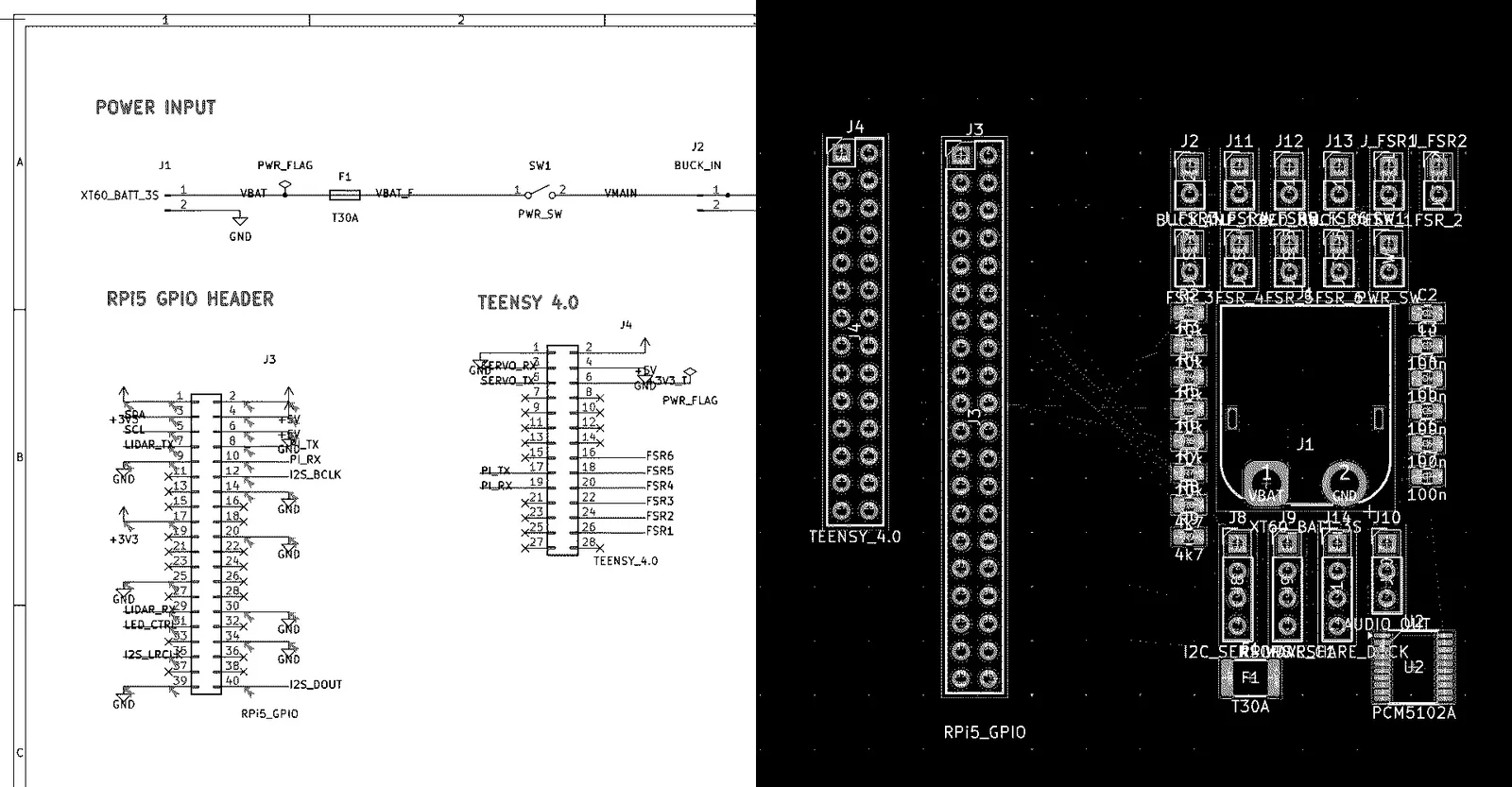
Side quest: started learning proper PCB design. I have only ever worked with custom soldered PCBs, so I thought this would be useful for producing boards. Mainly for some of my robots. However, as much as I enjoy exploring this, I will definitely need some support with this soon.